
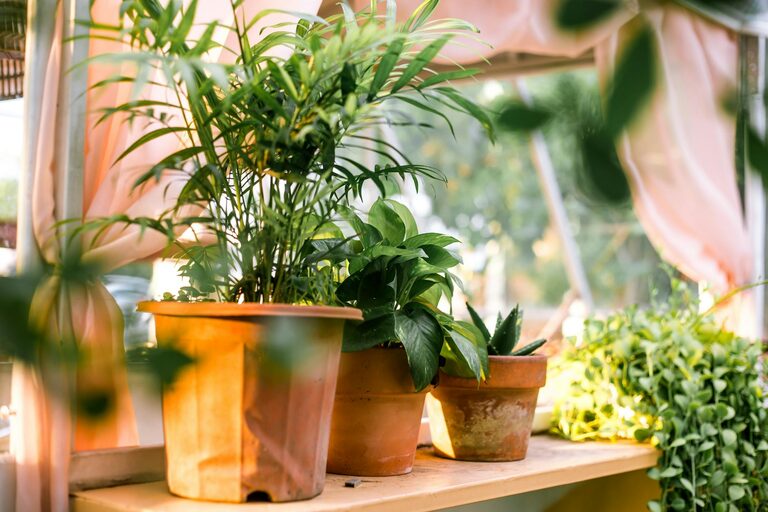
Creating a sustainable and enjoyable home garden is a rewarding way to connect with nature, improve your living space, and contribute positively to the environment. Whether you are a seasoned gardener or just starting out, adopting sustainable gardening practices can make your garden more productive, healthy, and enjoyable year-round.
In this post, we’ll explore key tips to help you design and maintain a home garden that supports sustainability while providing beauty and utility.
Understanding Sustainable Gardening
Sustainable gardening refers to practices that minimize environmental impact while promoting healthy plant growth and biodiversity. This approach focuses on reducing waste, conserving water, enriching soil, and encouraging beneficial wildlife—all while creating a garden you love spending time in.
Why Choose Sustainable Gardening?
– Supports local ecosystems and wildlife
– Reduces chemical use and pollution
– Conserves natural resources like water and energy
– Saves money over time through efficient practices
– Creates a healthier environment for your family
Planning Your Garden for Sustainability and Fun
Before planting, thoughtful planning can set the foundation for a successful sustainable garden.
Assess Your Space and Sunlight
Analyze how much sunlight different areas of your yard receive throughout the day. Most vegetables and flowering plants need at least 6 hours of direct sun, while shade-loving plants can thrive in less sunny spots.
Choose Plants Wisely
Opt for native or adapted plants that are well suited to your region. These plants generally require less water, fertilizer, and pest control. Incorporate a mix of flowering plants, shrubs, and trees to promote biodiversity.
Design for Accessibility and Enjoyment
Create pathways or seating areas where you can relax and observe your garden. Raised beds or container gardens can make planting and maintenance easier, especially if space or mobility is limited.
Sustainable Gardening Practices
Once your garden is planned, adopt these practices to maintain a healthy, eco-friendly space.
Composting Organic Waste
Composting kitchen scraps and garden waste reduces landfill garbage and produces nutrient-rich soil for your plants. Use a compost bin or pile in a shaded area and turn it regularly for best results.
Water Conservation Techniques
– Water early in the morning or late in the evening to reduce evaporation
– Use drip irrigation or soaker hoses to target water at plant roots
– Collect rainwater using barrels for garden use
– Mulch plant beds with organic materials to retain moisture
Avoid Chemical Pesticides and Fertilizers
Instead of synthetic chemicals, opt for natural pest control methods such as companion planting, handpicking pests, or introducing beneficial insects like ladybugs. Use organic fertilizers like compost, manure, or seaweed extracts to nourish plants safely.
Promote Healthy Soil
Test your soil to understand its pH and nutrient levels. Improve soil health by adding organic matter regularly and practicing crop rotation if you grow vegetables.
Encourage Wildlife
Plant flowers and shrubs that attract pollinators such as bees and butterflies. Provide bird feeders or small water sources like shallow dishes to support local wildlife.
Making Gardening Enjoyable
A garden is not only about plants—it’s a space for relaxation and creativity.
Personalize Your Garden
Add decorations such as garden art, colorful pots, or fairy lights to enhance the ambiance. Grow plants that are meaningful to you, whether herbs you use in cooking or flowers that bring joy.
Involve Family and Friends
Gardening can be a social activity. Invite others to help plant or harvest, or share seeds and cuttings. Teaching children about plants and nature can be especially rewarding.
Keep Learning and Experimenting
Gardening is a continuous learning experience. Try new plants, adjust your techniques with the seasons, and enjoy the process—even the challenges.
Conclusion
Creating a sustainable and enjoyable home garden takes some planning and care, but the rewards are well worth it. By selecting the right plants, conserving resources, and nurturing your space, you can enjoy a beautiful garden that helps the environment and brings peace and pleasure to your daily life.
Start small, be patient, and watch your garden grow into a lasting source of happiness!